TSW Journey
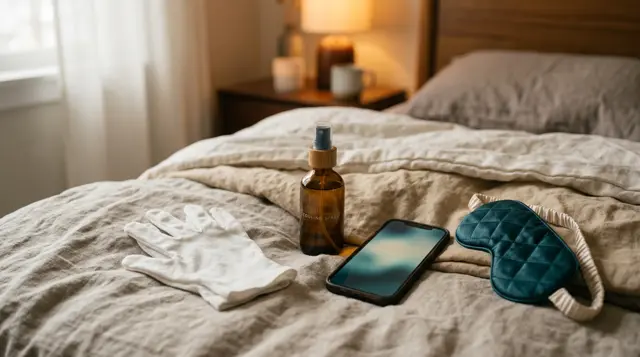
My first night-scratch in a long while
Fully recovered from TSW since 2022, I woke up to a raw scratch on my wrist. How I talked myself down from panic and back to the basics.
Resources
Plain-language answers, real experiences, and the science behind them. Start with the FAQ, or browse articles by topic.
The basics of eczema, topical steroid withdrawal and the itch-scratch cycle.
Eczema, also known as atopic dermatitis, is a chronic inflammatory skin condition characterised by itchy, red, dry, and inflamed skin. It often occurs in cycles, with flare-ups followed by periods of remission. Eczema can affect people of all ages but is most common in children.
Key symptoms include:
Eczema is multifactorial: a combination of genetic, immune system, and environmental factors.
Topical Steroid Withdrawal (TSW), also called Topical Steroid Addiction (TSA) or Red Skin Syndrome (RSS), can develop after prolonged or frequent use of topical corticosteroid creams, which are commonly prescribed for eczema. When people stop using them, they may experience a severe rebound, with symptoms often worse than the original condition.
Common symptoms:
Anyone who uses topical steroids for extended periods or in high doses is at risk. The exact mechanism isn't fully understood yet; research suggests a combination of skin barrier dysfunction, immune dysregulation and vascular instability.
Topical steroids suppress inflammation and immune responses in the skin. Over time, skin can become:
When steroids are stopped, the suppressed inflammation can rebound aggressively.
The itch-scratch cycle is a loop where itching prompts scratching, which in turn makes the itch worse:
It is driven by nerve and immune signals, and reinforced by habit and stress. Strategies that can be used together:
These organisations are good starting points:
SkinMatters shares lived experience, not medical advice. Please speak with a healthcare professional before changing any treatment.
TSW Journey
Fully recovered from TSW since 2022, I woke up to a raw scratch on my wrist. How I talked myself down from panic and back to the basics.
Itch & Sleep
"Just don’t scratch" never helped. Here is what actually worked for me on the worst nights: meditation, cotton gloves, and a few trusted itch-relief tools.
Daily Care
What I look for in a moisturiser during a flare-up, why ceramides matter, and how I switch things up once my skin settles in humid Singapore.
Coming soon: ask SkinMatters
A friendly assistant that points you to the right article for what you’re going through, once the resource library has grown.