How to choose a moisturiser
What I look for in a moisturiser during a flare-up, why ceramides matter, and how I switch things up once my skin settles in humid Singapore.
By Huiying ·
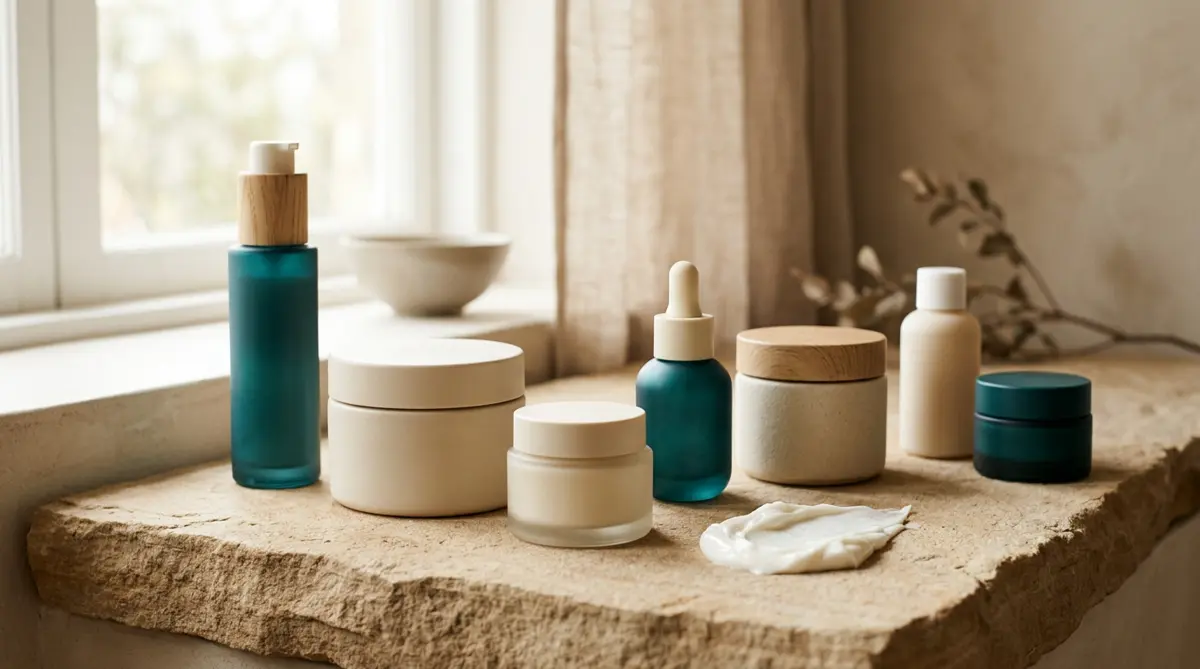
If you have dry and sensitive skin like me, using the right moisturiser is essential to keeping your skin barrier strong and preventing external irritants from triggering more inflammation and itching. This is especially important during flare-ups when your skin is red, irritated, and extra reactive.
What makes a good moisturiser during a flare-up?
When my skin is flaring, I look for moisturisers with the following characteristics:
- Fragrance-free and preservative-free. Fragrances and preservatives can sometimes worsen irritation, so I opt for products with minimal ingredients to reduce the risk of further aggravating my skin.
- Thicker consistency. A rich, thick moisturiser provides a stronger protective barrier, locking in moisture and shielding the skin from potential environmental irritants.
- Contains ceramides. Ceramides are essential for restoring and strengthening the skin barrier, which is often compromised during flare-ups.
What are ceramides and why are they important?
Ceramides are a type of fat (lipid) naturally found in skin cells, making up about 30% of the outermost layer of the skin. Their key functions include:
- Retaining moisture: preventing dryness and keeping skin hydrated.
- Strengthening the skin barrier: protecting against environmental pollutants, allergens, and germs.
- Preventing irritation: a lack of ceramides can lead to dry, itchy, and inflamed skin.
- Ageing effects: ceramide levels naturally decline with age, which can contribute to increased dryness and sensitivity.
What about after a flare-up?
Once my flare settles down, I switch to a lighter moisturiser, typically a lotion instead of a thick cream. In Singapore's hot and humid climate, a heavy moisturiser can sometimes feel too sticky during the daytime.
I also bring a small tube of moisturiser out, in case my skin gets dry over the course of the day in an air-conditioned environment, which is usually the case for most of us. After every toilet visit, I moisturise my washed hands too.
Final thoughts
Choosing the right moisturiser for dry, sensitive skin is all about supporting your skin barrier. During flare-ups, opt for a thicker, ceramide-rich, and fragrance-free moisturiser. Once your skin calms down, a lighter lotion may be more comfortable, especially in warm climates.
Have you found a moisturiser that works well for your dry or eczema-prone skin? Send me your recommendations.